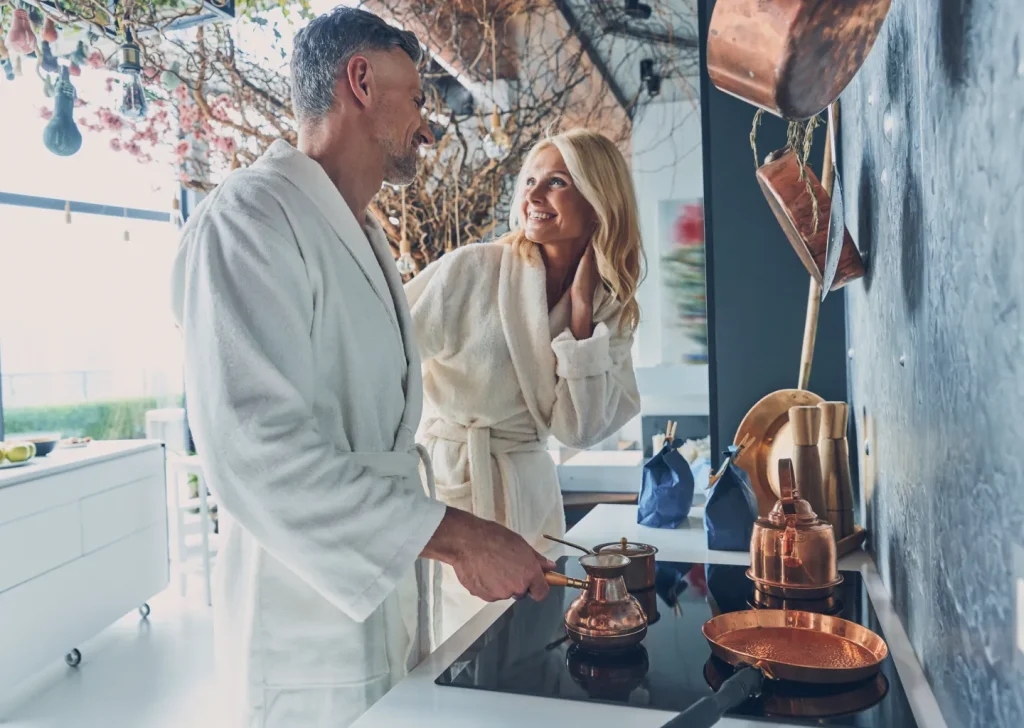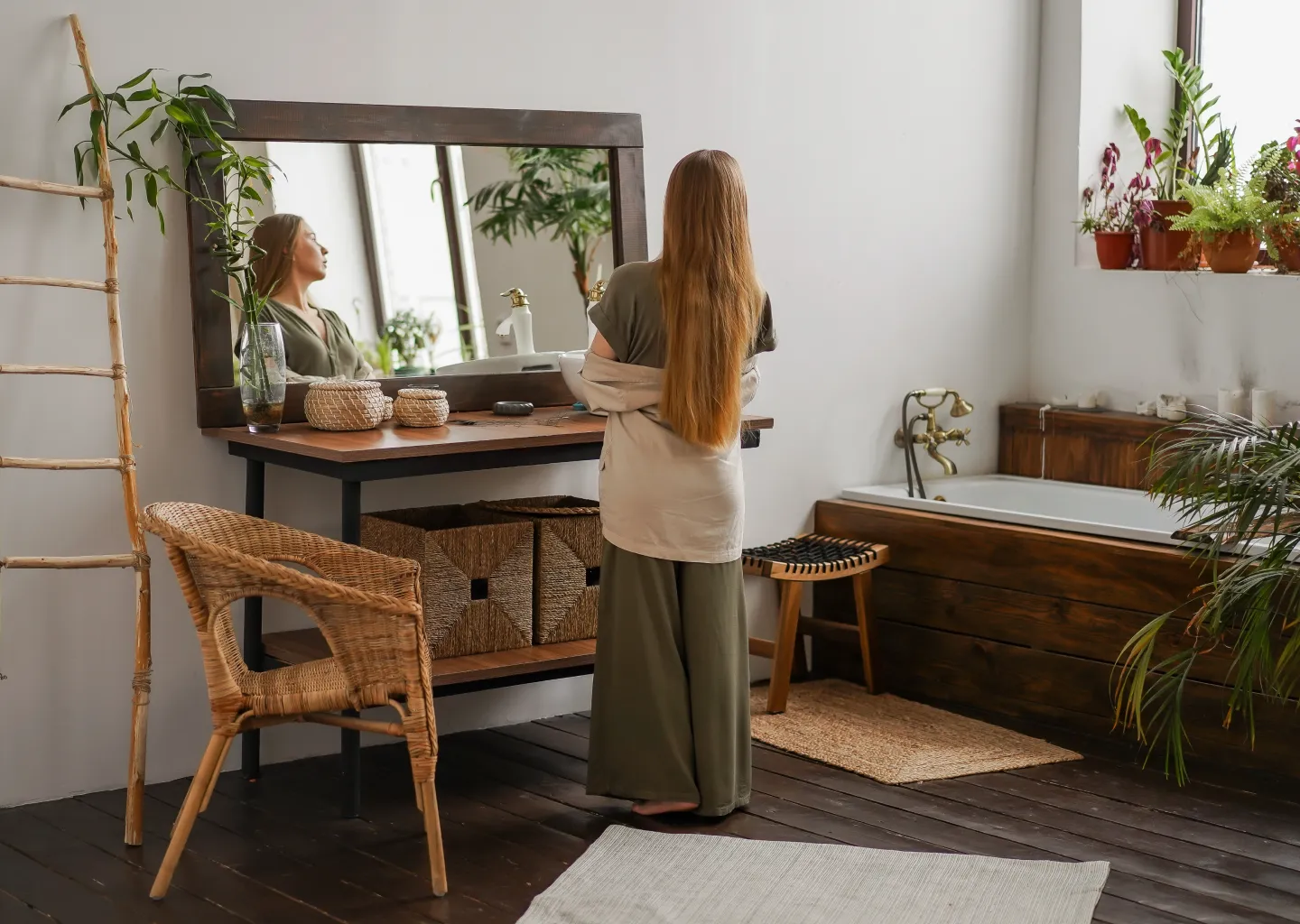
Durable materials are not just about longevity; they are a strategic investment that can substantially reduce long-term property management costs. By minimizing the need for frequent repairs and replacements, villa owners can achieve significant savings over time.
These materials also demand less intensive maintenance, optimizing resource allocation and reducing operational overhead. A comprehensive maintenance plan, typically budgeting 5-10% of annual rental income or 1-2% of property value, becomes far more cost-effective when built upon a foundation of quality. To prevent major issues, consider implementing a proactive maintenance vs reactive maintenance strategy.
The most common areas experiencing wear and tear in vacation rentals include flooring, delicate furniture upholstery, kitchens, bathrooms (especially porous surfaces and fixtures), and painted walls. Addressing these with durable materials for property management is key to avoiding hidden costs from neglected villa maintenance.
Top Durable Materials to Consider for Your Bali Villa
Choosing the right materials for a Bali villa requires careful consideration of the tropical climate, where resistance to moisture, pests, and heat is essential.
| Bahan/Praktik Berkelanjutan | Deskripsi/Fitur Utama | Manfaat |
|---|---|---|
| Batu Alam | Batu vulkanik (andesit), granit, batu tulis (slate), batu kapur, marmer, basal, travertine, batu pasir. Sering bersumber lokal. | Tahan lama, tetap sejuk, tahan cuaca & kelembapan, mencegah jamur, estetika autentik. |
| Kayu yang Diawetkan | Kayu keras (jati, mahoni) dan bambu yang telah diawetkan. Kayu kelapa (tahan hama/air). | Tahan lama, tetap sejuk, tahan cuaca & kelembapan, mencegah jamur, estetika autentik. |
| Bambu | Kuat, fleksibel, terbarukan dengan cepat. Digunakan untuk rangka, atap, lantai, dinding, dan furniture. | Tahan kondisi lembap, kuat, berkelanjutan, memiliki resonansi budaya. |
| Beton & Inovasi | Beton berkekuatan tinggi (fondasi). Hempcrete (serat rami, kapur, air) untuk insulasi. Blok beton seluler untuk peredam suara ringan. Beton ekspos dengan sealant bernapas. | Insulasi, tahan hama/jamur/busuk (Hempcrete), peredam suara, pondasi kuat. |
| Batu Bata Tanah Liat & Terakota | Dapat didaur ulang, hemat energi. Genteng terakota. | Secara alami mengatur suhu dalam ruangan, menawarkan sifat pendinginan. |
| Rangka Baja | Baja tahan karat, aluminium, baja galvanis. | Rangka struktural, atap, pagar, kusen jendela. Tahan korosi, rayap, jamur, busuk. |
High-quality materials significantly enhance guest experience and property reviews. Climate-adaptive materials, such as natural insulation, create a comfortable indoor environment, reducing reliance on air conditioning and fostering tranquility.
Incorporating local materials and traditional Balinese design elements, like volcanic stone or alang-alang roofs, enhances the villa’s authenticity and cultural resonance, offering guests a unique stay.
The visual appeal of natural finishes and textures contributes to a warm, organic, and elegant feel, aligning with the expectations for luxury eco-friendly vacation rentals. This commitment to quality and sustainability ultimately appeals to eco-conscious travelers, boosting market value and guest appeal.
Yes, durable materials inherently align with and even define the stylish Bali villa aesthetic. Natural stone, bamboo, and treated hardwoods are fundamental to the classic Bali villa look, seamlessly blending indoor and outdoor spaces. Modern designs frequently combine these traditional, natural elements with sleek lines, creating sophisticated yet tranquil environments.
Incorporating Eco-Friendly Solutions in Your Villa Management
Eco-friendly solutions are no longer optional but a necessity for vacation rentals in Bali. The demand from travelers is surging, with a 2024 Booking.com survey indicating that 75% of travelers actively seek sustainable accommodations. Beyond market trends, environmental preservation is critical for safeguarding Bali’s unique natural beauty and cultural heritage.
Furthermore, Bali’s government is proactively introducing regulations, such as bans on single-use plastics, and encouraging broader eco-initiatives.
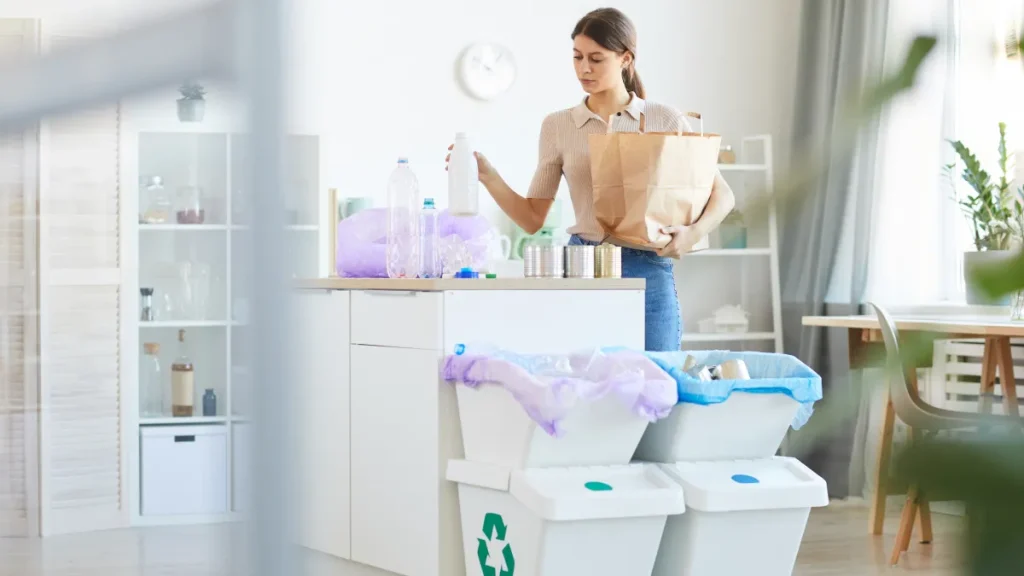
Several eco-friendly upgrades for Bali villas can be implemented:
- Sustainable Building & Design: Utilize local, natural, and recycled materials like bamboo, reclaimed wood, and natural stone. Incorporate passive design principles such as optimal sun orientation, strategic shading, and cross-ventilation for natural cooling.
- Energy Conservation: Install solar panels, employ smart climate control systems, and switch to LED lighting with occupancy sensors. Energy-efficient appliances are a must, and innovative solutions like rerouting AC heat to warm water can significantly reduce consumption.
- Water Management: Implement rainwater harvesting systems, install water-saving fixtures (low-flow showerheads and toilets), use natural wastewater filtration for irrigation, and consider chemical-free natural pools.
- Waste Reduction: Adopt plastic-free policies (e.g., refillable toiletries), establish robust recycling programs, implement composting, and partner with professional waste management services for electronic waste.
- Sustainable Landscaping: Opt for native plants to conserve water, incorporate vertical gardens, and prioritize local sourcing for food supplies.
- Guest Engagement: Educate guests on mindful practices regarding waste, water, and energy use, and encourage them to support local conservation efforts. For more insights, refer to tips on beyond booking guest communication systems.
Sustainable practices significantly improve a villa’s marketability and appeal. They attract the growing segment of eco-conscious travelers, leading to increased demand and potentially higher occupancy rates—with eco-certified properties seeing 85-95% occupancy compared to 70-80% for conventional ones.
This demographic is often willing to pay a premium, allowing sustainable villas to command 30-50% higher rental rates. Green-certified villas can also experience an 8-15% higher resale value and 30-75% savings on utilities, translating to a higher ROI (10-25% annual yields).
Such a commitment provides a strong competitive advantage and builds credibility, especially with certifications like LEED, Greenship, or EDGE. It also future-proofs the property against evolving environmental regulations.
Balancing Cost and Quality in Property Upgrades
When undertaking property upgrades in Bali, striking the right balance between cost and quality, particularly with sustainable and durable materials, is crucial for achieving cost-effective villa upgrades. While some eco-friendly materials may have higher upfront costs, their long-term cost-effectiveness is undeniable.
They lead to reduced energy bills (30-75% savings), lower maintenance expenses, and increased property value. It’s vital to consider the total lifecycle cost, not just the initial purchase. For example, treated bamboo, despite requiring specific preparation, can prove more cost-efficient than conventional materials over time.
Villa owners can employ several strategies to manage the upfront costs of quality upgrades:
- Prioritize Investments: Focus on critical elements like structural integrity, electrical systems, and plumbing first, as these directly impact safety and long-term expenses.
- Leverage Local Resources: Utilizing locally sourced materials, such as natural stone and bamboo, and engaging local artisans can significantly reduce transportation and labor costs.
- Phased Renovations: Breaking down large upgrade projects into smaller, manageable phases allows for spreading out costs over time, making it financially more feasible.
- Detailed Budget with Contingency: A thorough budget is essential, with a recommended 30-35% contingency fund to cover unexpected issues, especially in older properties.
- Renovate vs. New Build: Renovating a structurally sound older villa can often be more cost-effective than constructing a new one, while also preserving architectural heritage and reducing environmental impact.
Regarding financial support, the Indonesian government offers some incentives for green buildings, primarily for larger developments. These can include potential land and building tax cuts, accelerated licensing, technical assistance, and promotion. Tax credits or rebates for solar panel installations might cover up to 30% of installation costs.
The Indonesia Green Affordable Housing Program (IGAHP) indicates a broader government push for eco-friendly homes. Furthermore, new subsidies for developers planned for 2025 aim to ease credit access for small developers, potentially benefiting smaller villa projects.
The Bali Tourism Tax Levy, introduced in February 2024, also funds sustainable tourism initiatives, creating a supportive environment for eco-friendly developments. Certifications from the Green Building Council Indonesia (GBCI), such as Greenship or EDGE, can enhance marketability and potentially unlock financial rewards. While concessional loans and green mortgages exist, more innovative financing mechanisms are continually being sought.
Implementing Smart Spending Strategies for Your Villa
To achieve truly cost-effective villa upgrades, smart spending strategies are essential for Bali villa owners. A thorough initial inspection of the villa’s foundation, roof, plumbing, and electrical systems is crucial before commencing any renovation work. It helps uncover hidden issues and prevents unforeseen costs.
Establishing a realistic budget with a significant contingency fund (30-35% is advisable for older properties) is paramount to handling unexpected expenses. Preserving the villa’s unique character by restoring existing features, such as carved doors or stone walls, is often more sustainable and cost-effective than complete replacement.
Ultimately, prioritizing renovations that enhance guest experience and rental value—like enclosing open living rooms, upgrading bathrooms and kitchens (see designing a stylish and practical kitchen in villa), or expanding outdoor spaces—ensures a strong return on investment.
When it comes to renovations and improvements, prioritizing spending is key. Focus first on structural integrity: essential upgrades to structural, electrical, and plumbing systems are non-negotiable for safety and preventing major future issues.
Next, prioritize climate adaptation through improvements that mitigate the effects of Bali’s harsh environment, such as proper roofing, drainage, and moisture-resistant materials.
After foundational elements, invest in energy and water efficiency, like solar panels, efficient appliances (check how to extend the lifespan of villa appliances), and water-saving systems, to significantly reduce ongoing operational costs.
Finally, once these critical areas are addressed, enhance guest experience with upgrades to comfortable furniture, appealing aesthetics (consider the importance of flooring in villa interior design), and amenities that lead to positive reviews and higher bookings (read how to deliver 5-star guest experiences).
The Bottom Line
Quality materials, smart spending, and the right strategy turn maintenance into long-term profit. If you’re ready to protect your villa and boost its performance, we’re ready too.
Contact Bali Management Villas today and get expert guidance for your next upgrade.